
Places That Hold the Soul
Cultural Sites, Landscapes, and Spaces That Mean More Than What You See
By Passport to Africa
Throughout Africa, certain locations transcend mere landmarks. They are not defined by queues or photographic viewpoints. These areas carry memories, grief, reverence, resistance, and renewal. These are spaces where history is felt rather than explained, where the land possesses significance that far exceeds contemporary borders.
Being in these locations allows one to experience Africa not merely as a destination, but as a cultural heritage. These sites:
Anchor collective memory and spiritual practice
Challenge simplified or colonial narratives of African history
Serve as spaces of mourning, healing, and continuity
Shape identity through place rather than performance
For local communities, these landscapes are not tourist attractions. They are reference points that define who people are, their origins, and what needs safeguarding. Visiting these places responsibly demands more than curiosity; it requires context, humility, and respect.
Land as Memory: Where History Refuses to Fade
Gorée Island - Dakar, Senegal
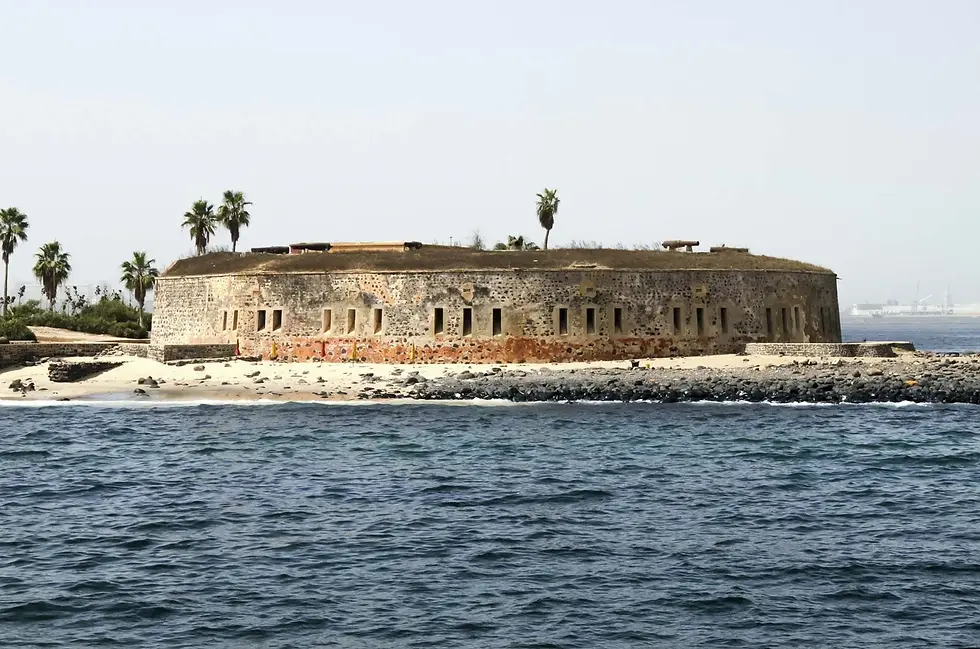
Located just off the coast of Dakar, Gorée Island is serene, intimate, and laden with historical memory. Once a key departure point in the transatlantic slave trade, it now serves as a place of mourning and reflection. For Africans and the diaspora, Gorée is not about spectacle. It is about remembrance, responsibility, and the lasting impact of forced displacement.
Great Zimbabwe - Masvingo, Zimbabwe

The stone walls of Great Zimbabwe confront enduring myths about African history. Constructed without mortar, this site serves as proof of sophisticated engineering, governance, and trade networks that thrived centuries before colonial interference. It represents both an architectural triumph and a political statement, reminding us that African civilization was never nonexistent, merely overlooked.
Sacred Landscapes: Where Belief Shapes the Environment
Osun-Osogbo Sacred Grove - Osogbo, Nigeria

The Osun-Osogbo Sacred Grove is a vibrant spiritual area. Deeply connected to Yoruba cosmology and the worship of the river goddess Osun, this forest serves as a spiritual refuge, an artistic venue, and an ecological sanctuary. Rituals, shrines, and sculptures coexist here, emphasizing the inseparable bond between spirituality, art, and nature.
Rock-Hewn Churches of Lalibela - Lalibela, Ethiopia

The churches of Lalibela, carved directly from volcanic rock, are not merely ancient ruins; they serve as active sites of worship. Pilgrims journey from afar to pray, particularly during religious festivals. The landscape itself embodies theology, illustrating how faith can influence both culture and the physical environment.
Natural Icons as Cultural Anchors
Table Mountain - Cape Town, South Africa
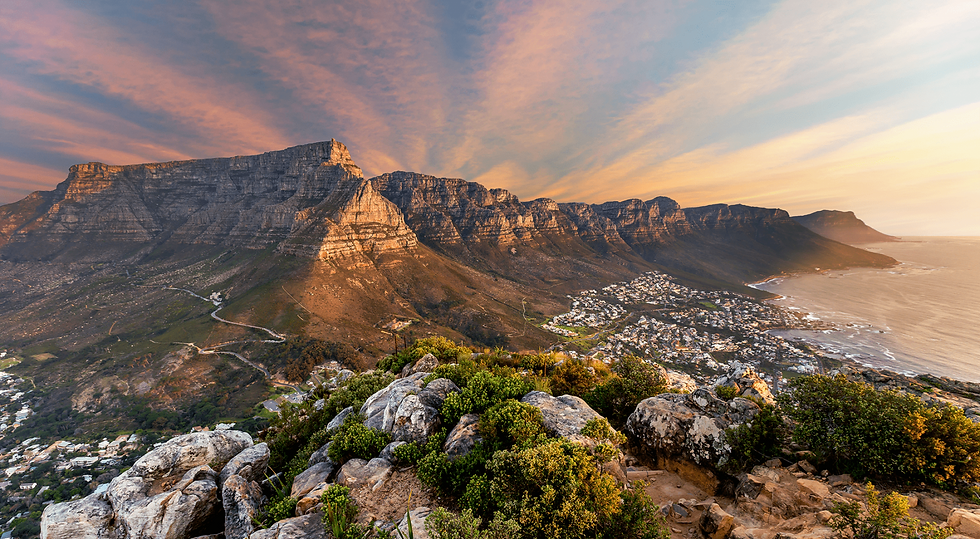
More than a scenic backdrop, Table Mountain carries spiritual and cultural significance for the Khoisan people and stands as a symbol of resilience and vigilance. It has observed colonization, segregation, and resistance. Today, it anchors Cape Town’s identity, serving as a constant reminder of land that existed before and will endure beyond political systems.


Comments